10 Questions to Ask Before Hiring a Concrete Contractor
Before you sign anything, ask these.
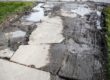
Concrete work is one of the most permanent investments you’ll make in your home. A well-poured driveway lasts 30-plus years. A poorly poured one starts cracking in three. The difference almost always comes down to one thing: the contractor you hire.
The problem is that concrete contracting has a low barrier to entry. A truck, a mixer, and a business card are enough to get started. That means the market has genuine craftspeople right alongside shortcuts artists — and they can look nearly identical on the surface.
These 10 questions are designed to help you tell the difference. Use them on every contractor you call, and watch closely how they respond. The answers matter, but so does the confidence (or hesitation) behind them.
1. Are you licensed and insured? Can I see proof?
Don’t just ask this — ask to see the certificate. Every reputable contractor should carry general liability insurance and workers’ compensation. Liability coverage protects your property if something goes wrong during the job. Workers’ comp protects you from being held responsible if a worker is injured on your property.
Licensing requirements vary by state, but a professional contractor knows exactly what’s required in your area. If they can’t produce proof of insurance within 24 hours of you asking, move on.
2. Can you show me recent work or connect me with references?
Photos on a website are easy to curate. What you want is verifiable, recent, local work — ideally on a project similar to yours. If you’re getting a stamped patio, ask for references who had stamped work done. If you’re pouring a driveway, ask to drive by one they installed in the last year.
A contractor with a strong track record will volunteer this without hesitation. One who hedges or offers vague reassurances instead of actual references is telling you something important.
3. Will you provide a written, itemized estimate?
A verbal quote is worth nothing when a dispute arises. Your estimate should be on paper (or email) and broken into line items: materials, labor, site preparation, finishing, sealing, and disposal. This does two things: it protects you if costs balloon mid-project, and it lets you do an apples-to-apples comparison across multiple bids.
A contractor who resists putting things in writing is a contractor who wants flexibility to charge you more later.
4. What’s included in this quote — and what isn’t?
This is where lower bids hide their real costs. Ask specifically:
- Does the price include demolition and removal of existing concrete?
- Is site grading and base preparation included?
- Is sealing after the pour included?
- Are disposal and haul-away fees in the quote?
A lower quote that excludes demolition and disposal will often end up more expensive than a higher quote that includes everything. Make sure you’re comparing complete scopes, not just headline numbers.
5. What concrete mix will you use, and why?
This question separates professionals from amateurs. Residential driveways typically require a 4,000 PSI mix with the right water-to-cement ratio. In cold climates, you want air-entrained concrete to resist freeze-thaw cycles. Foundations and ICF work have their own specific requirements.
A contractor who can explain their mix selection — and connect it to your specific project and climate — is someone who thinks about the work before they show up. One who says “we just use what the batch plant sends” without elaboration is probably not thinking that carefully about your project either.
.
6. How do you prepare the sub-base?
Concrete is only as good as what’s under it. For driveways, the standard is 4–6 inches of compacted gravel base. For patios, proper grading is essential for drainage. For foundations, the requirements go deeper and more technical.
If a contractor plans to pour over existing soil without proper base prep, or is vague about this step entirely, expect cracking and settling within a few years. Sub-base work is unglamorous and adds time to the job — which is exactly why corners get cut here.
7. What does the project timeline look like, start to finish?
Concrete has non-negotiable timing: it typically needs 24–48 hours before foot traffic and at least 7 days before vehicle traffic. Any reputable contractor will build these curing windows into the schedule.
Beyond that, ask about: when they can start, how many days the active work takes, whether they account for weather delays, and when you can expect the final walkthrough. Vague answers here often reflect disorganized scheduling — which tends to show up as your project sitting half-finished for days at a time.
8. What warranty do you offer on your workmanship?
There are two types of warranties to ask about: material warranties (covered by the concrete supplier) and workmanship warranties (covered by the contractor). Material warranties don’t protect you from installation errors — a contractor who over-waters the mix or skips proper curing can cause premature cracking regardless of the concrete quality.
Ask specifically what the workmanship warranty covers, for how long, and what the claim process looks like. One to two years is a reasonable baseline. A contractor who gets defensive when you ask about this is a contractor who doesn’t stand behind their work.
9. Who will actually be on-site doing the work?
Some contractors win bids and then subcontract the entire job to a crew the homeowner has never met — and the primary contractor never shows up. That’s not always a dealbreaker, but it’s something you should know going in.
Ask directly: will you be on-site during the pour? If subcontractors are used, will a supervisor from your company be present? Precision work — especially stamped and decorative concrete — requires experienced oversight. Knowing who is accountable on the day of the pour is a fair question, and a confident contractor will answer it directly.
10. How do you handle unexpected issues and change orders?
No concrete project is completely predictable. You might discover old irrigation lines during excavation, hit harder-than-expected soil, or decide mid-project you want to extend the patio by a few feet. A professional contractor has a clear, documented process for these situations.
Change orders should be written, priced before additional work begins, and signed by both parties. If a contractor is vague about this — “oh, we’ll figure it out as we go” — expect a larger-than-expected final invoice with no paper trail to dispute it.
Red Flags to Watch For
Beyond the answers to these questions, there are patterns in contractor behavior that should prompt you to keep looking:
- Demanding full payment upfront. A standard deposit is 10–30%. Full payment before work begins removes your leverage entirely.
- Pressure to decide immediately. “This price is only good today” is a sales tactic, not a business practice.
- No verifiable business address or online presence. A legitimate contractor has a traceable local footprint.
- A bid that’s dramatically lower than everyone else. Undercutting by 30–40% usually means something is being left out — often sub-base prep, proper mix specs, or workers’ comp insurance.
- Reluctance to provide anything in writing. Every professional agreement should have a paper trail.
The Right Contractor Makes It Easy
Here’s the thing about these questions: they shouldn’t make a good contractor uncomfortable. A professional who is licensed, insured, does strong work, and stands behind it will answer all of them confidently — and many will have already addressed them before you ask.
The questions that get dodged, deflected, or met with pressure are the ones doing their job. That friction is information.
When you’re evaluating concrete contractors, you’re not just comparing prices. You’re deciding who you’ll trust to permanently alter your property. Take the time to ask the hard questions before the concrete is poured — because after it cures, the conversation is a lot harder to have.
Ready to Hire a Concrete Contractor You Can Trust?
Summit Peak Concrete is happy to answer every one of these questions — and put the answers in writing. We serve homeowners across Utah & Wyoming with driveways, patios, walkways, stamped concrete, ICF foundations, and RV pads.
Call us at (801) 618-9131 or request a free estimate online. No pressure. No surprises.